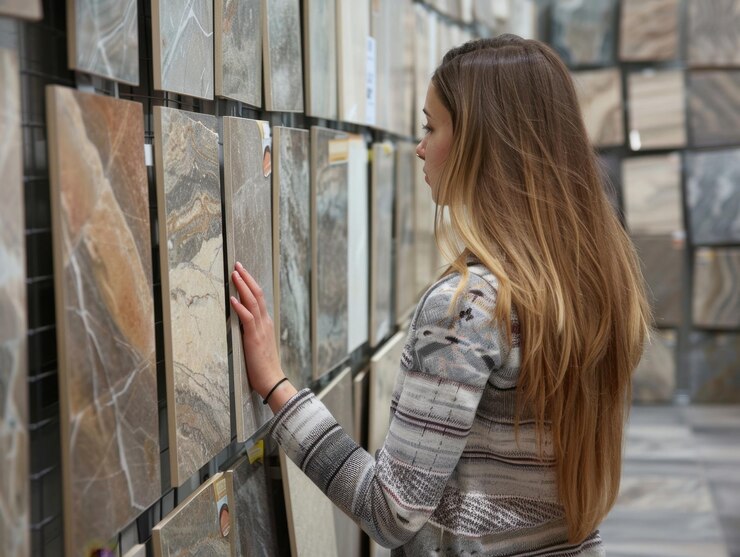
Tiles Market Booms with Construction Surge

Tiles Market Booms with Construction Surge: Trends and Insights
The Growing Demand for Tiles in the Construction Industry
Impact of Increased Residential and Commercial Construction
The construction industry is experiencing rapid growth, driven by the demand for residential and commercial projects worldwide. With an uptick in new housing developments, office spaces, and public infrastructure, the need for durable, attractive, and long-lasting materials like tiles has surged. Tiles, known for their durability and aesthetic appeal, are becoming the material of choice for both floors and walls in these new developments, fueling growth in the tile industry. The rise in home renovations and remodels, accelerated by the post-pandemic housing boom, has also played a crucial role. As more homeowners seek to upgrade their living spaces, the demand for tiles—especially in kitchens and bathrooms—continues to rise, contributing to a robust market expansion.
Urbanization and Infrastructure Development as Key Drivers
Urbanization is another significant factor propelling the tile market. With rapid population growth in urban areas, the need for housing, commercial buildings, and improved infrastructure has skyrocketed. This has led to an increase in large-scale construction projects globally, particularly in emerging markets like Asia-Pacific and Latin America, where urbanization is at its peak. In developing regions, government-backed infrastructure projects, such as transportation networks, hospitals, and educational facilities, are also driving the demand for tiles. These projects prioritize materials that are cost-effective, durable, and easy to maintain—qualities that tiles readily offer.
Rising Popularity of Sustainable and Eco-Friendly Materials
As environmental concerns grow, both consumers and developers are increasingly opting for sustainable materials in construction. The tile industry has responded by producing eco-friendly tiles made from recycled materials and low-emission production methods. These sustainable options align with the global push toward green construction, appealing to environmentally-conscious consumers and businesses alike. The growing trend of using eco-friendly tiles, especially in projects focused on energy efficiency and environmental impact, is not only boosting the industry but also shaping the future of tile production.
Global Market Insights: Tiles Industry in 2024
Regional Analysis: Where Is the Growth Happening?
In 2024, the global tiles market is witnessing substantial growth, with certain regions leading the charge. Asia-Pacific, particularly countries like China, India, and Vietnam, has emerged as a dominant force in tile production and consumption. The availability of raw materials, low labor costs, and a booming construction industry make Asia-Pacific the largest tile-producing region. In North America and Europe, the focus on high-end residential projects and renovation has led to increased demand for premium tiles, including natural stone and custom-designed ceramic options. Meanwhile, Latin America and Africa are catching up, driven by urbanization and infrastructure improvements.
Market Leaders and Emerging Players
Several established companies continue to dominate the global tile market, including Mohawk Industries, RAK Ceramics, and Grupo Lamosa. These players are leading innovation in tile design, production efficiency, and sustainability, setting the pace for the industry. However, emerging tile manufacturers from regions like Southeast Asia are gaining market share, thanks to competitive pricing and the adoption of modern manufacturing techniques. This is creating a more diversified global market where both large corporations and smaller regional players have significant opportunities for growth.
Tile Production Capacity and Supply Chain Trends
The surge in demand for tiles has led to increased production capacities across the globe. Tile manufacturers are investing in advanced machinery and expanding their production lines to meet growing market needs. Automation in tile manufacturing, especially with the use of digital printing technologies, has allowed manufacturers to scale production without compromising on design quality or variety. Supply chain disruptions, a challenge for many industries, have prompted tile companies to diversify their sourcing strategies. By relying on multiple suppliers for raw materials like clay, quartz, and pigments, manufacturers are better equipped to handle global supply chain volatility, ensuring consistent production flow.
Tile Trends Shaping the Market
Large Format Tiles: A Growing Preference
In 2024, large-format tiles are making waves in both residential and commercial construction. These tiles, which come in larger sizes like 24x48 inches or even bigger, are favored for their ability to create seamless, modern spaces with fewer grout lines. Homeowners and designers alike appreciate the sleek, minimalist look that large-format tiles offer, making them a key trend in the market. Their increased use in open floor plans and expansive commercial areas has made large-format tiles a go-to option for projects aiming for a contemporary aesthetic with low maintenance.
Digital Printing Technology in Tile Manufacturing
Advancements in digital printing technology have revolutionized the tile industry. Digital printing allows manufacturers to create intricate designs, textures, and finishes that mimic the look of natural materials like wood, marble, and stone. This innovation has opened up a world of possibilities for tile design, giving consumers a wider range of styles at more affordable prices. The use of digital printing has also increased efficiency in the production process, enabling manufacturers to quickly produce custom designs in smaller quantities without sacrificing quality.
Customization and Personalization in Tile Design
Another emerging trend in the tile industry is the demand for customization and personalization. Homeowners and architects are seeking unique tile designs that reflect individual tastes and project requirements. Tile manufacturers are responding by offering custom design services, where clients can choose specific patterns, colors, and sizes to fit their projects. This personalization trend is particularly popular in high-end residential and commercial projects, where tiles are used to create one-of-a-kind installations, from intricate mosaics to large-scale murals.