Porcelain Tiles: The Ultimate Guide to Durability and Style
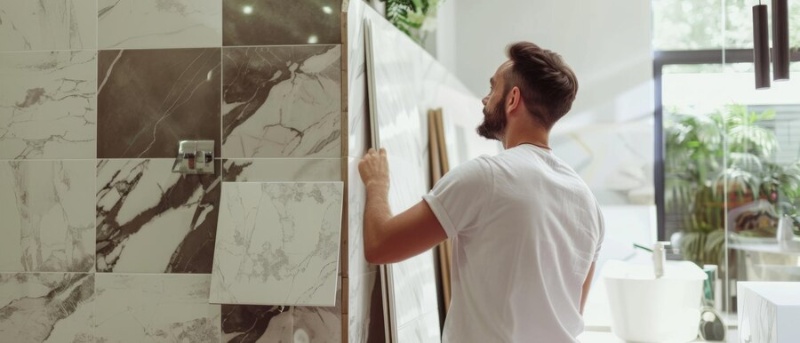
Introduction to Porcelain Tiles
What Are Porcelain Tiles?
Porcelain tiles are a type of ceramic tile made from finer, denser clay and fired at higher temperatures. This process makes them more durable, less porous, and harder than other types of tiles. Because of their strength and water-resistant properties, porcelain tiles are a popular choice for both indoor and outdoor applications, ranging from kitchens and bathrooms to patios and hallways.
Why Choose Porcelain Over Other Tile Types?
One of the key reasons homeowners and designers prefer porcelain tiles over other tile materials is their exceptional durability. Porcelain tiles are resistant to moisture, stains, and scratches, making them ideal for high-traffic areas. Additionally, their ability to mimic natural materials like wood, marble, and stone, while offering greater strength and lower maintenance, sets them apart as a superior flooring and wall option. Unlike standard ceramic tiles, porcelain offers a longer lifespan and is suitable for more demanding environments.
Types of Porcelain Tiles
Glazed vs. Unglazed Porcelain Tiles
Porcelain tiles come in two primary varieties: glazed and unglazed. Glazed porcelain tiles have a protective coating applied to their surface, which adds a shiny, polished finish and enhances their stain resistance. These tiles often have a more vibrant color range and are great for areas where design aesthetics are essential. Unglazed porcelain tiles, on the other hand, do not have a coating, which gives them a more natural, rustic look. They are typically more slip-resistant, making them ideal for outdoor spaces or areas prone to moisture, like bathrooms and kitchens.
Polished vs. Matte Finish
The finish of a porcelain tile affects both its appearance and performance. Polished porcelain tiles are buffed to achieve a high-gloss surface, making them an excellent choice for modern, sleek interiors. They reflect light, adding elegance to spaces, but may be more slippery when wet. Matte porcelain tiles, in contrast, have a non-reflective, more understated finish that provides better traction. Matte finishes are ideal for areas where safety is a priority, such as bathrooms and entryways.
Full-Body vs. Double-Charged Porcelain Tiles
Full-body porcelain tiles have a consistent color and texture throughout their thickness, which means that even if they get chipped or scratched, the damage will be less noticeable. These tiles are extremely durable and are typically used in commercial settings or high-traffic areas. Double-charged porcelain tiles, on the other hand, feature a layer of design on the top surface, which is fused under high pressure. This process results in a thicker surface design, making them slightly more durable than regular glazed tiles while offering aesthetic flexibility.
Key Benefits of Porcelain Tiles
Durability and Strength
Porcelain tiles are known for their exceptional strength and durability. They are harder than granite and less porous than standard ceramic tiles, which makes them more resistant to wear and tear. This strength makes them ideal for high-traffic areas in both residential and commercial settings. Porcelain tiles can withstand heavy loads without cracking, making them a long-term investment for homeowners and businesses alike.
Water and Stain Resistance
Due to their dense composition and low porosity, porcelain tiles are highly water-resistant, making them perfect for bathrooms, kitchens, and outdoor areas where moisture is a concern. They are also resistant to stains, ensuring that spills and messes won’t leave lasting marks. This makes porcelain tiles an excellent option for areas prone to spills or high humidity, such as laundry rooms and basements.
Low Maintenance and Easy Cleaning
One of the most appealing benefits of porcelain tiles is their low maintenance requirements. They do not require sealing, unlike natural stone tiles, and are easy to clean with just water and mild soap. Their smooth, non-porous surface resists dirt and grime, which means they stay looking new for longer. This makes porcelain an attractive choice for busy homeowners or commercial spaces where frequent cleaning is necessary.